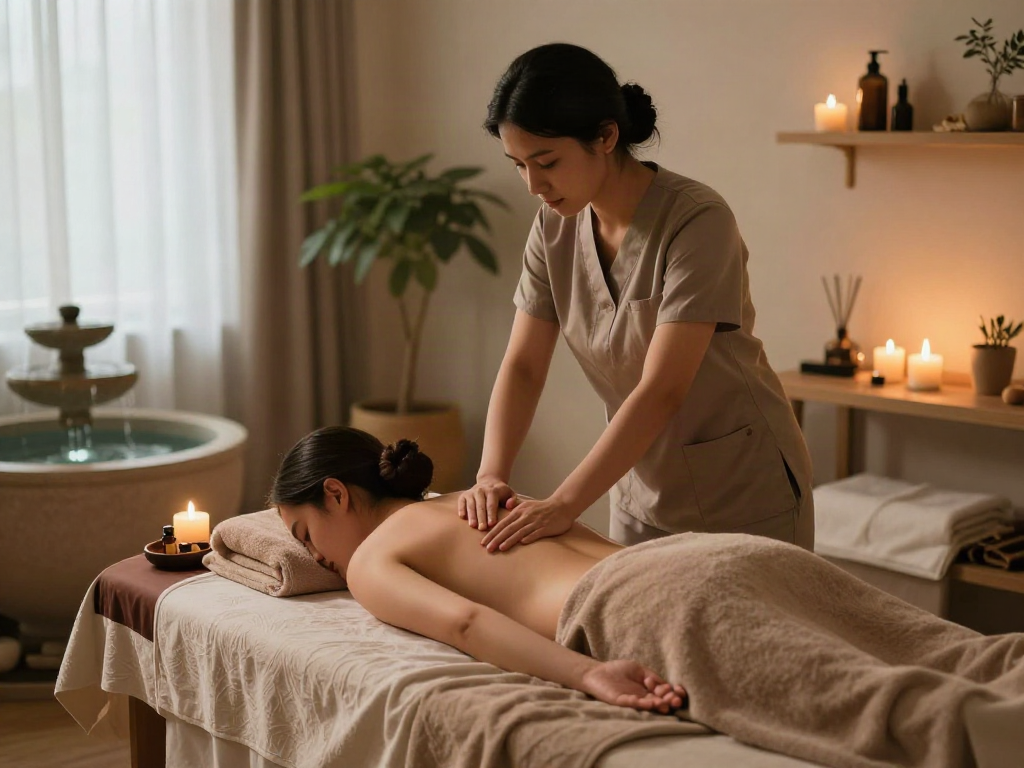
Understanding the Benefits of 용산출장안마
Massage therapy has long been celebrated for its myriad health benefits, blending relaxation and healing into a singular experience. In particular, 용산출장안마 offers unique advantages tailored to the needs of modern lifestyles. As we become increasingly aware of the mental and physical toll of daily stressors, the necessity of seeking out holistic care solutions grows. In this article, we will delve into the extensive benefits of massage therapy, what to expect from a session, and how to select the right type of therapy for your needs.
What is 용산출장안마?
용산출장안마 is a specialized form of massage therapy offered in the Yongsan district, a vibrant area known for its cultural and historical significance. This service encompasses various techniques tailored to alleviate tension, enhance relaxation, and promote overall wellness. The therapists often utilize a mix of traditional and contemporary practices, ensuring that each session caters to the unique preferences and conditions of the client.
The essence of 용산출장안마 lies in its ability to provide a personalized experience. Each session is designed based on individual assessments, taking into account factors such as stress levels, physical ailments, and client feedback. Whether you are seeking relief from chronic pain, looking to unwind, or aiming to enhance your athletic performance, there is a massage technique suited to your needs.
Physical and Mental Health Benefits
The health benefits associated with regular massage therapy are well-documented and can be categorized into physical and mental components. Physically, massage therapy can reduce muscle tension, improve blood circulation, and enhance flexibility. Regular sessions may even lead to improved sleep patterns, which are crucial for overall health.
- Muscle Recovery: For athletes or those engaging in strenuous physical activities, massages can accelerate recovery by increasing blood flow and oxygen delivery to muscles.
- Chronic Pain Relief: Conditions such as fibromyalgia, arthritis, and lower back pain can be alleviated through targeted massage techniques.
- Enhanced Mobility: Massage therapy can help restore range of motion and reduce stiffness, making daily activities more manageable.
On the mental health front, massage therapy plays a pivotal role in reducing anxiety and stress levels. It stimulates the production of endorphins and serotonin, body chemicals known for their mood-enhancing properties. This emotional boost can be particularly beneficial for those dealing with the pressures of modern life.
- Stress Reduction: Regular massages have shown to lower cortisol levels, the hormone linked with stress.
- Improved Mental Clarity: By promoting relaxation, massage can enhance focus and cognitive function.
- Emotional Support: Establishing a routine of self-care through massage can cultivate a positive outlook on life.
Choosing the Right Therapy for Your Needs
With a variety of massage techniques available, it is essential to choose a therapy that aligns with your personal needs. Common methods include Swedish, deep tissue, sports, and hot stone massages, each offering distinct benefits.
- Swedish Massage: Ideal for relaxation and stress relief, this technique employs long strokes and gentle kneading.
- Deep Tissue Massage: Focuses on deeper layers of muscle and connective tissue, beneficial for chronic pain and tension.
- Sports Massage: Tailored for athletes, this type enhances performance and aids recovery from injuries.
- Hot Stone Massage: Involves the use of heated stones for relaxation and improved circulation.
Considering your personal health conditions and preferences is vital when selecting a massage type. Consultation with a qualified therapist can provide additional insights into which techniques may be most beneficial for you.
Assessing Safety Standards in Massage Therapy
When indulging in any form of massage therapy, safety should be a top priority. Understanding the regulations and standards that govern massage practices ensures that you receive high-quality care. It's important to consider the qualifications of practitioners and health protocols in place within the studio.
Licensing and Certification for Practitioners
In many regions, massage therapists are required to obtain licenses and certifications that validate their training and expertise. These credentials often involve comprehensive examinations and adherence to continuing education requirements. By choosing a therapist with proper certification, you can be assured of their skill and knowledge in applying various techniques safely and effectively.
Health and Safety Protocols in Massage Studios
Aside from individual qualifications, the studio's health and safety practices play a crucial role in ensuring a safe experience. Top-notch studios will implement strict sanitation protocols, including thorough cleaning of equipment and maintaining a hygienic environment. Additionally, client health screenings may be conducted to identify any contraindications that could affect the outcome of your massage.
Common Misconceptions About Safety in Massage
Many misconceptions surround the safety of massage therapy, often leading to hesitation among potential clients. One prevalent myth is that massage is only for those without serious health conditions. In reality, many therapists are trained to work with clients who have medical concerns, adapting techniques to ensure safety and comfort.
Another misconception is that massages should always be painful to be effective. Effective techniques should relieve pain and tension without causing discomfort. Open communication with your therapist about your comfort levels is key to a beneficial experience.
Best Practices for Selecting a Quality Massage Provider
Evaluating Reviews and Client Testimonials
Before booking an appointment, it's prudent to conduct thorough research on potential massage providers. Client reviews and testimonials can provide invaluable insights into the quality of service and the effectiveness of therapies offered. Look for providers with a consistent track record of positive feedback, particularly regarding the outcomes of their massage techniques.
Questions to Ask Before Your First Session
Engaging in dialogue with your potential therapist can enhance your overall experience. Consider asking the following questions:
- What are your qualifications and experience?
- Do you specialize in any particular techniques?
- How do you tailor your approach for different clients?
- What safety protocols do you have in place?
These inquiries not only gauge the therapist's expertise but also help you establish a sense of trust and comfort before your session.
What to Expect During Your Appointment
Understanding the typical structure of a massage session can ease any anxiety you may have before your appointment. Most sessions begin with a brief consultation where the therapist discusses your goals and any existing health issues. During the massage, you will be encouraged to communicate your comfort levels and preferences, ensuring a customized experience.
Post-session, take time to discuss any feedback with your therapist and explore recommendations for follow-up care or additional therapies that could enhance your well-being.
Emerging Trends in Massage Therapy (2026 and Beyond)
The world of massage therapy is evolving with new trends that are shaping the future of wellness. Staying informed about these developments can help you make the most of your massage experience in the coming years.
The Rise of Mobile Massage Services
As life becomes busier, convenience is king. Mobile massage services are gaining popularity, allowing clients to receive therapy in the comfort of their homes or offices. This trend caters to those who prefer personalized settings and eliminates travel time, making it an appealing option for busy professionals.
Integration of Technology in Massage Therapy
The incorporation of technology in massage therapy is transforming the industry. From online booking systems to personalized wellness apps that track your massage history and preferences, technology is streamlining the client experience. Some therapists are also using digital tools to enhance the effectiveness of their techniques through virtual consultations and guided sessions.
Innovative Techniques and Therapies to Watch
New techniques and therapies are continually being introduced into the massage arena. Techniques such as aromatherapy massage, which combines essential oils with traditional practices, and myofascial release, focusing on relieving tension in connective tissue, are becoming more mainstream. Staying updated on these innovations can enhance your wellness journey and introduce you to new methods of relaxation and healing.
Addressing Common Concerns and FAQs
Is massage safe for everyone?
Most individuals can safely receive massage therapy; however, certain conditions may require special considerations. Always consult with a healthcare provider, especially if you have specific health concerns.
What should I do if I feel discomfort during a session?
If you experience discomfort during a massage, it is crucial to communicate this with your therapist immediately. They can adjust their technique or pressure to ensure your comfort.
How often should I receive massage therapy?
The frequency of massage therapy varies based on individual needs and goals. For general wellness, monthly sessions may suffice, while chronic pain or athletic recovery could warrant weekly visits.
Are there gender-specific concerns with massage therapy?
Some clients may feel more comfortable with therapists of the same gender, due to personal preferences or cultural beliefs. It is always advisable to choose a therapist with whom you feel secure and relaxed.
What to consider if I'm pregnant or have health conditions?
Pregnant individuals or those with health conditions should seek massage therapy from professionals trained in prenatal or medical massage. Clear communication about your specific situation is essential for a safe and beneficial experience.